
Eating Healthy: the Basics
1. What is a healthy breakfast?
2. What is a healthy lunch?
3. What is a healthy dinner?
4. How much should I weigh?
5. How many calories should I be eating?
6. What is the best way to lose
weight?
7. How can I keep my weight loss
goal in mind and stay motivated?
8. What is a healthy weekly weight loss?
9. How to set weight loss goals and make
them happen
10. How to keep a food diary, and
why it is essential to successful weight loss
11. Are all fats bad for you?
12. Are saturated fats bad
for you?
13. Are
unsaturated fats good for you?
14. Are carbohydrates bad for you?
15. Is fiber good for you?
16. How to read nutrition/food labels
17. How to plan your weekly menus
18. Why should I eat less salt?
19. What
do the sodium (salt) numbers mean on food labels?
20. What is The Mediterranean Diet?
21. Why eating vegetables is good for
you
22. Why eating fruit and nuts
is good for you
23. Why are cereals and whole grains good for you?
24. What are legumes, and why are they good for you?
25. Why is eating fish good for you?
26. Which fats and oils are good for
you?
27. Are dairy products good for you?
28. Which meats should I not eat?
29. Is drinking alcohol good for
you?
30. Is it important to measure your
ingredients?
31. Are snacks good for you?
32. How to choose the right portion size
33. Can you lose weight with a smaller
plate?
34. Eat healthier by cleaning out your
pantry
35. Which oils and fats should I keep in my pantry?
35. Which oils and fats are good for you - and when should I use them?
36. Which carbohydrates are good for you?
37. What is the best chicken or turkey for you?
38. Are dairy products good for you?
39. Which nuts and seeds should I eat?
40. Is red meat like beef or pork bad or good for you?
41. Is eating dessert good or bad for
you?
42. Is drinking soda bad for you?
43. Is drinking coffee bad for you?
44. How can healthy food taste good? Part 1
45. How can healthy food taste good? Part
2
46. How to eat healthy while eating
out
47. Are vitamins and supplements necessary
to eat healthy?
48. How to eat healthy while traveling
Eating Healthy: the Basics
Which fats and oils are good for you?
Oils and Fats in the Mediterranean Diet
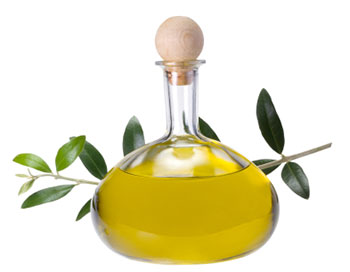
Research on diets in Mediterranean countries shows that the primary fat used for recipes is olive oil. The Mediterranean cultures do use other vegetable oils, and most use some butter, but it is generally used sparingly. Even so, the majority of the fat consumed is olive oil. As a result, much of the research has focused on the effects of olive oil on health, and there is now a large body of information about not just oils but also antioxidants and monounsaturated fats.
There's a clear link between the anti-inflammatory properties of olive oil and many diseases. For instance, the research is clear on the benefit of olive oil on heart disease, cholesterol levels and blood pressure. Most importantly, people who have the most significant results from replacing the saturated fats in their diet with olive oil are those who don't already follow a Mediterranean Diet. With the addition of just a tablespoon a day of extra virgin olive oil, there can be a significant reduction in blood pressure. Likewise, cholesterol levels fall in those who adjust for the additional fat in olive oil by reducing the fat they consume in other foods. (J Nutr 2007;137:84-87)
In another study those consuming the most olive oil were 26% less likely to die from any cause than those who consumed the least. In fact, every 10 grams of additional olive oil consumed per day represented a 7% reduction in risk of death for all causes - and a 13% risk of death from heart disease. (AJCN 2012;96:142-9)
Less research has been done on other oils, but this does seem to be an effect of many seed oils. One study looking at improvement in cholesterol profiles showed better results with grapeseed oil vs. olive oil. There's also good evidence for canola oil as well. Even so, given that the price of extra virgin olive oil is about the same as other oils, it's probably the best bet for your diet given the amount of strong research. Some of this may be the result of the polyphenols, flavonoids and other antioxidants in olive oil. Further refining the virgin olive oil does appear to remove some of these antioxidants and reduce the positive effects.
It's not just your heart, though. Using oils that are high in monounsaturated fats can help slow the progression of osteoporosis, Alzheimer's Disease and cancers.
Here's a guide for making the best choices of fats to cook with:
| Great choices | Use with care | Avoid |
| Extra virgin olive oil | Butter | Lard |
| Canola oil | Coconut milk | Stick margarine |
| Grapeseed oil | Coconut oil | Vegetable shortening like Crisco® |
| Safflower oil | Mayonnaise | Foods containing hydrogenated oils |
| Sesame oil | Foods containing palm kernel oil | |
| Tahini (sesame seed butter) | Spreads like Smart Balance® Light and Promise Light® | |
| Peanut butter | ||
| Avocados |
Making your selection from these also depends on the recipe you will use them in. Olive oil and grapeseed oil have a fruitier flavor and work great in recipes where you want those tastes to come through. Dressings are a good example of this. I will use less expensive olive oils for cooking and save my best quality extra virgin olive oil for dressings and sauces.
When you want to add less flavor, canola oil is a good choice. Sesame oil is perfect for Asian recipes and this can be either regular, for a mild taste, or the dark toasted oil for a richer flavor.
As with all ingredients, I am careful about measuring fats: each teaspoon of oil, regardless of type, has about 45 calories and 5 grams of fat as a rule of thumb. This includes the vegetable oils as well as butter. With spreads like Smart Balance or Promise there are far fewer calories. For instance, there are only 45 calories in a tablespoon of Smart Balance (vs. the same number of calories in a teaspoon of butter).
Choosing the best quality oils and fats, and using them carefully, can have a major impact on both your health and your taste buds.