More Articles on A Healthy Pregnancy
Thinking About Getting Pregnant?
Congratulations on Your Pregnancy! (for
those who are newly pregnant)
What is a healthy pregnancy weight gain?
Can I continue to eat a vegetarian diet
during pregnancy?
A Pregnancy Menu For You and Your Baby
Treating Nausea and Vomiting
What About Seafood?
Don't Eat That!
Pregnancy and Cholesterol
Wash Those Veggies!
Breastmilk, the Healthiest Diet for Babies
What DOES that Broccoli Do for My Baby?
Vitamin D Supplements in Pregnancy and
Breastfeeding
New Research Affirms Individualized
Vitamin D Supplementation for Pregnant Women
Breastfeeding: Developing a
Future Gourmet
What to Do About The Flu
Gestational Diabetes
Decreasing the Risk of Gestation Diabetes
Keeping and Storing Breastmilk
Pregnancy Weight Gain Guidelines – Do
We Need New Ones?
Breastfeeding: A Woman's Health
Issue
Eating During Labor
Probiotics and a Decreased Risk of
Gestational Diabetes
Pregnancy - a Time to be Active!
Clearing the Air : Quit Smoking for
You and Your Child
What is a Healthy Pregnancy Diet for
Obese Women?
Does Iron Intake Matter?
One Fish, Two Fish... Full Term Birth?
Folic acid in pregnancy and language development
A Mediterranean Diet, Pre-Pregnancy
There is No Substitute for a Healthy Diet
Honest
Healthy Diets for Babies
Exercise for New Moms
A Healthy Pre-Pregnancy Diet
and Gestational Diabetes
Vitamin D and Gestational Diabetes
Great News About Breastfeeding
Peanuts and Pregnancy
Fried Foods and Gestational Diabetes
Iodine supplements - should you take them?
Prevent Gestational Diabetes with a Mediterranean-style diet
FDA Updates Recommendations for Fish Consumption in Pregnancy
About Faith Bontrager, RN, BSN
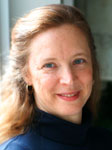 Faith's passion in nursing is to help people find the options they need to discover
their personal path to optimum health. Ask her friends and they will tell you
that their appreciation of nutritious food has grown through Faith. About
Faith Bontrager, RN, BSN
Faith's passion in nursing is to help people find the options they need to discover
their personal path to optimum health. Ask her friends and they will tell you
that their appreciation of nutritious food has grown through Faith. About
Faith Bontrager, RN, BSN
A Healthy Pregnancy
Can I continue to eat a vegetarian diet during pregnancy?
Yes, you can. Here are some guidelines.
Protein
Like all pregnant women, you need about 60 grams of protein
daily and 100-300 more calories than before you were pregnant (or enough
to support suggested weight gain). If you don’t have adequate calories,
your body will break down some of the protein for energy. Most vegetarians
simply add an extra daily serving or two of the same protein foods they
usually eat.
B12
If you eat dairy and eggs, you can get adequate B12 in your diet.
If you are vegan (no animal products), you will need to supplement
your diet with B12. B12 is important for baby’s developing
nervous system and helps you and baby form new red blood cells. The general
recommendation for B12 for pregnant women is 2.6 micrograms
daily. The Vegan Society recommends
significantly more.
Some vegetarian groups teach that humans can get adequate B12 from what bacteria in our system produce. While this is true in some herbivores, research has not demonstrated that humans can get adequate B12 this way. We encourage you to supplement your diet.
Note: B12 can be destroyed by stomach acids. Many B12 supplements are designed to be dissolved under the tongue. This method allows much of the B12 to absorb directly, by-passing the stomach acid. If you take these types of supplements, make sure that you let them dissolve under your tongue instead of swallowing them whole.
Calcium
Well meaning friends are sure to advise you, "You HAVE TO drink
milk while you are pregnant." Milk can be a good source of calcium (and
of protein) but it is not the only source. You need 1000 mg of calcium
daily. Some good vegetarian sources include collards, kale, almonds,
various greens, and fortified cereals.
Fat-soluble vitamins
Some vegetarian diets are lower in fat than non-vegetarian diets.
Make sure you are getting some healthy fats. Nuts and nut butters, olives
and olive oil, avocados… there are many healthy vegetarian fats
Iron
During pregnancy you need 27 mg of iron daily. Iron can be found
in some whole grains, seeds, nuts, legumes, and in molasses. The best
research currently recommends an iron supplement for all pregnant women.
Other considerations
Weight gain
Many vegetarian diets are lower in calories than non-vegetarian
diets. Make sure you are eating enough calories to
gain the recommended amounts for your pre-pregnancy weight. Baby is
growing rapidly and needs enough calories to grow, to say
nothing of supporting all that kicking and squirming that you may be
feeling by now!
Soy
Research isn’t conclusive but it offers some concerns about large
amounts of soy during pregnancy or lactation because of soy’s estrogenic-type
effects. Play it safe and keep your soy intake moderate. There are many
other wonderful vegetarian sources of protein.
If you have not been strictly vegetarian before your pregnancy, I don’t recommend that you go completely vegetarian during pregnancy. Like any major change, there is a "learning curve" to becoming a vegetarian. Some practitioners feel that there are body chemistry changes as you switch to a completely vegetarian diet. By all means include some of those delicious vegetarian recipes in your diet but don’t eliminate the meat all at once.
Make sure that you talk with your obstetrician about being vegetarian during pregnancy so that he or she can make sure that you and your baby are in optimum health.