
Low Sodium (Salt) Diets
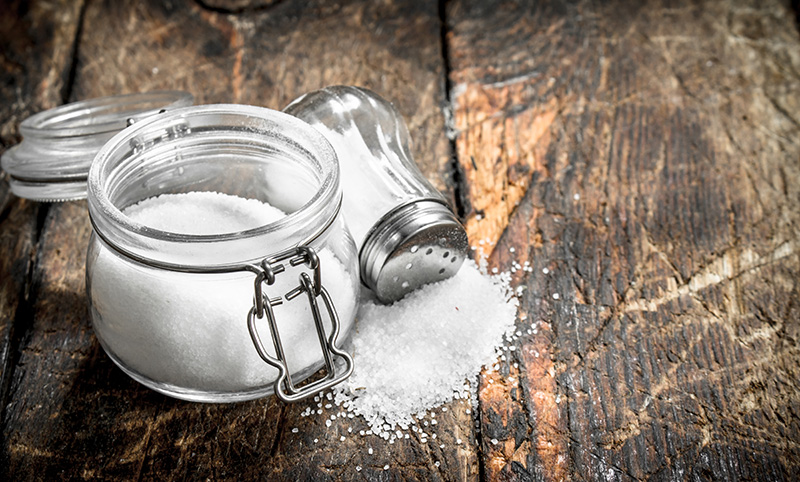
We eat too much salt. Simple but true. As a culture today, the developed world consumes a tremendous amount of sodium. It’s not just in the U.S., but the United Kingdom has had a campaign for about three years to convince people to reduce the amount of salt they consume. Most Asian diets are high in sodium as well, with almost every sauce, from soy sauce to fish sauce to hoisin, having added salt.
As a population it’s a major issue for policy makers to get folks to cut back from over 10,400 milligrams (mg) (that’s 10.4 grams) of sodium per day (about 4 1/2 teaspoons of salt) for men (7.3 grams, or ~1 tablespoon, for women) to the more reasonable 2400 mg. Tough to do, because there’s so much salt in the processed foods that Americans eat. A report by the Council on Science and Public Health estimates that such a lowering of salt intake might save 150,000 lives each year.
That’s a lot of your friends, family and co-workers. Here are Three Easy Steps to a Low Sodium Diet »
Low Sodium Recipes
Breakfast Recipes
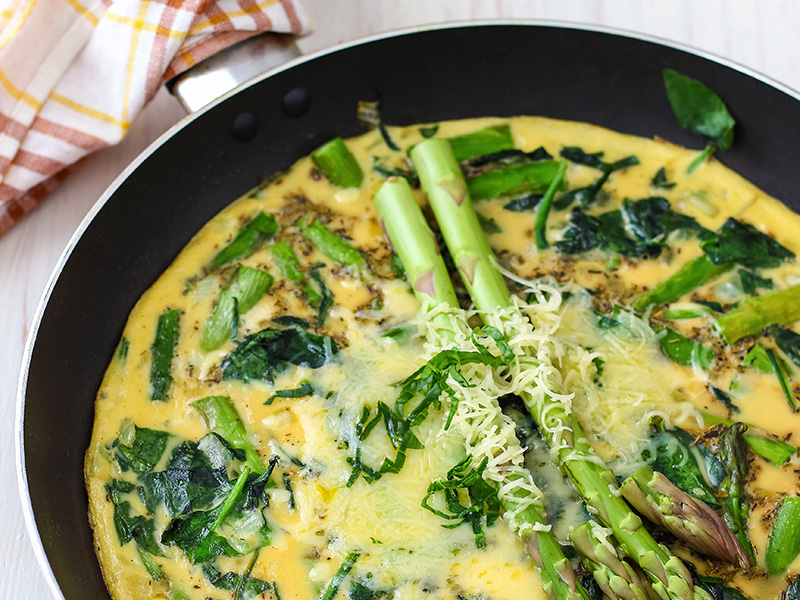
Muffins, pancakes, smoothies and more. Start your day right! Low Sodium Breakfast Recipes »
Soup Recipes
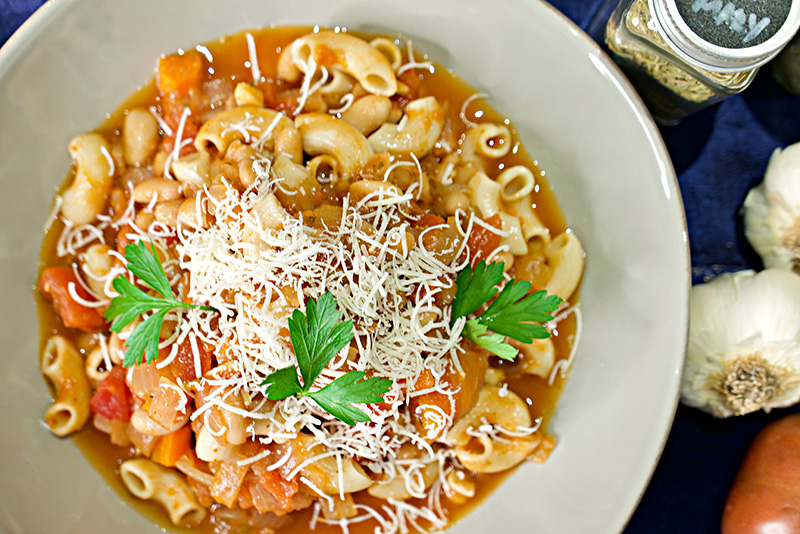
Familiar favorites like Chicken Noodle Soup to new tastes like Roasted Eggplant Soup. See all Low Sodium Soup Recipes
Salad Recipes
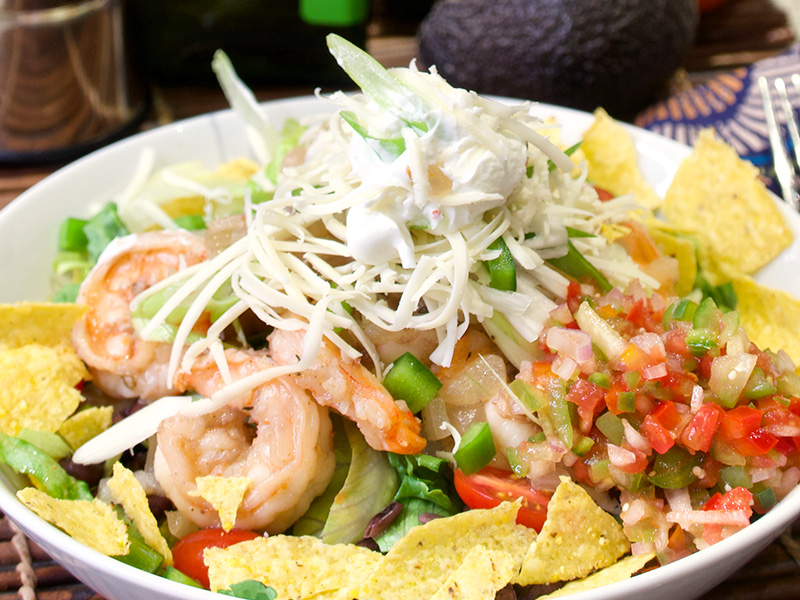
Delicious composed salads, side salads and salad dressings. See all Low Sodium Salad Recipes
Sides & Extras Recipes
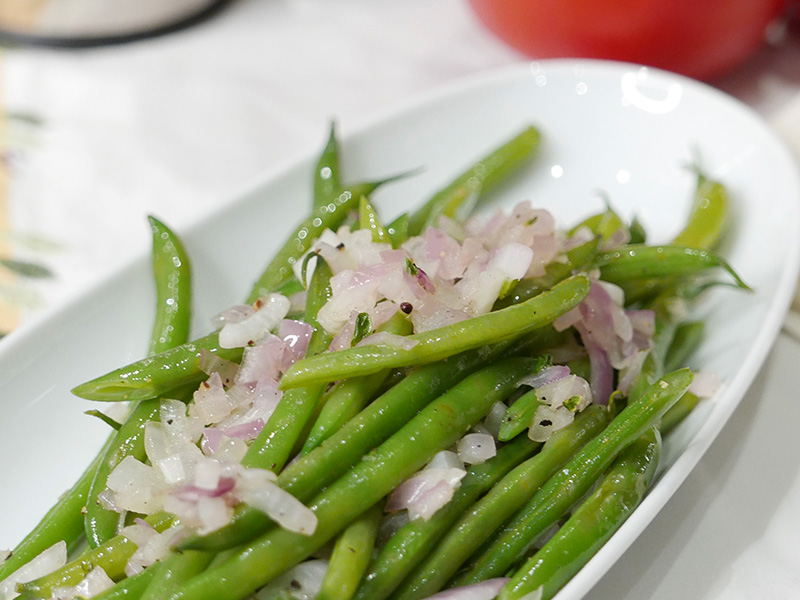
Vegetable side dishes, starches such as rice and potatoes and more. See all Low Sodium Side Dish Recipes
Fish Recipes

Delicious halibut, tuna, grouper, whitefish and more. See all Low Sodium Fish Recipes
Shellfish Recipes
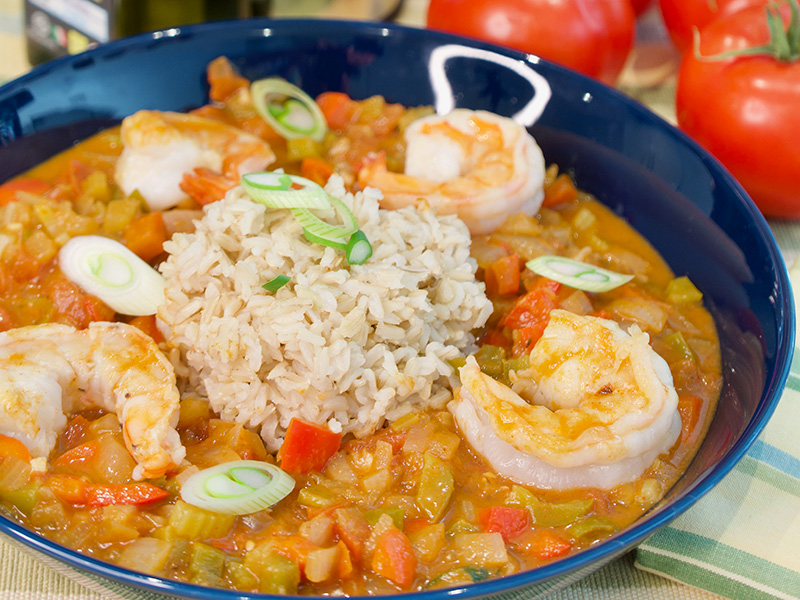
Easy, healthy shrimp, scallops, crab, mussels and more. See all Low Sodium Shellfish Recipes
Beef / Lamb Recipes
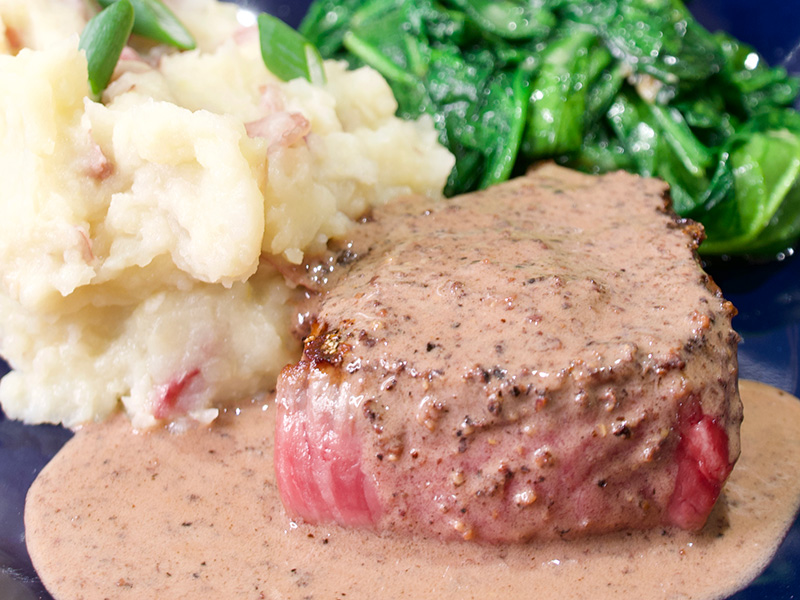
Savor the flavors of beef and lamb with easy, satisfying Low Sodium Beef and Lamb Recipes »
Pork Recipes
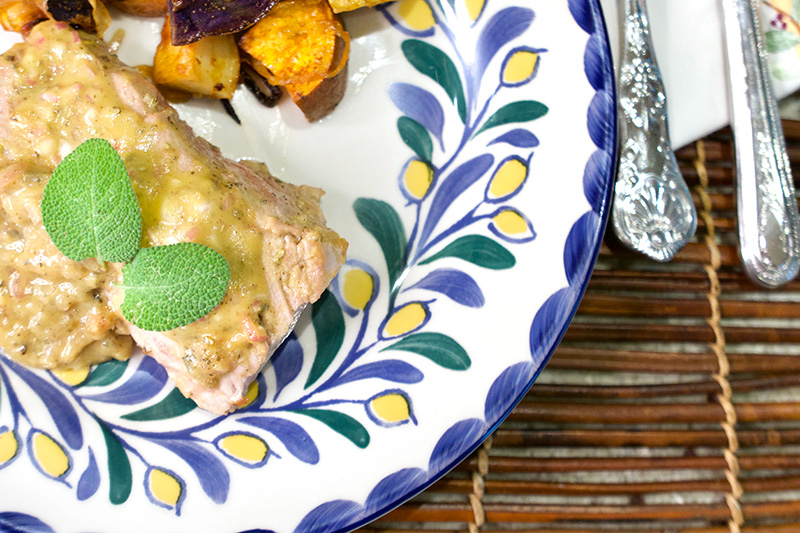
Enjoy healthy, delicious pork with easy, satisfying Low Sodium Pork Recipes
Chicken and Turkey Recipes
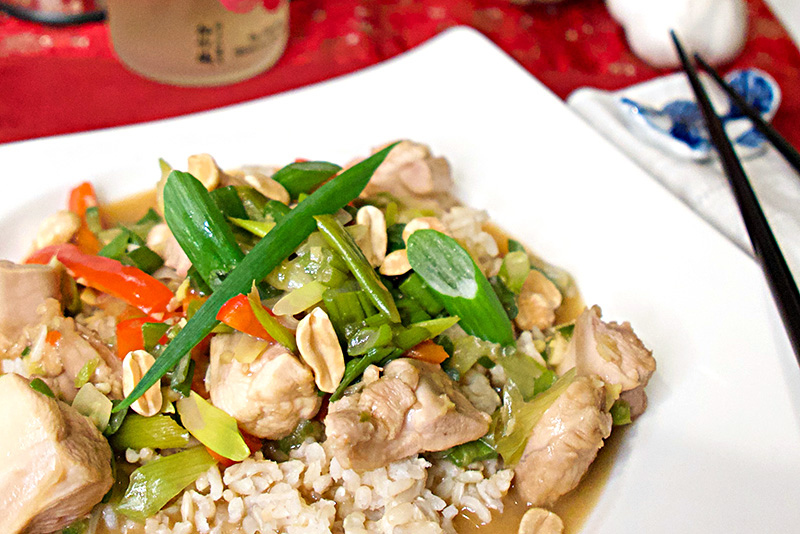
Quick favorites and easy classics for those on Coumadin (warfarin). See all Low Sodium Poultry Recipes
Vegetarian Recipes
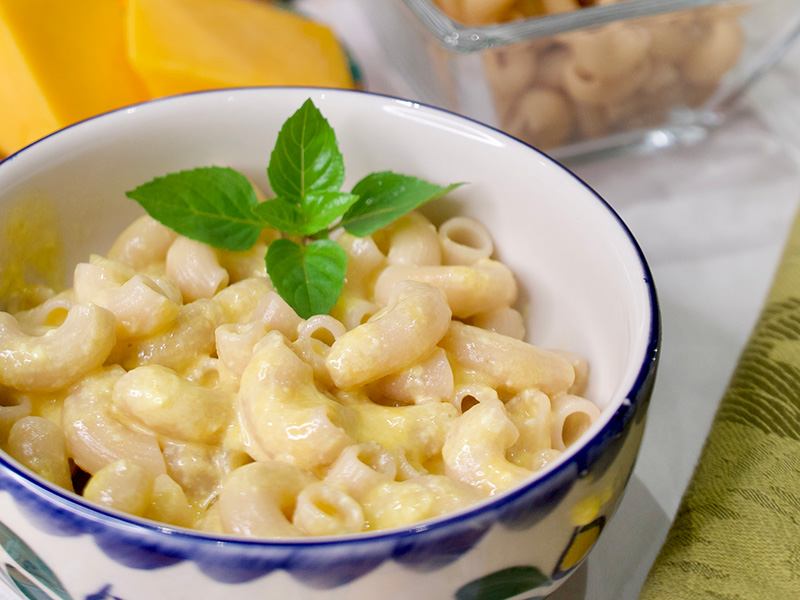
Quick and easy tomato sauce, pastas and risotto dishes make meatless delicious. See all Low Sodium Vegetarian Recipes
Dessert Recipes
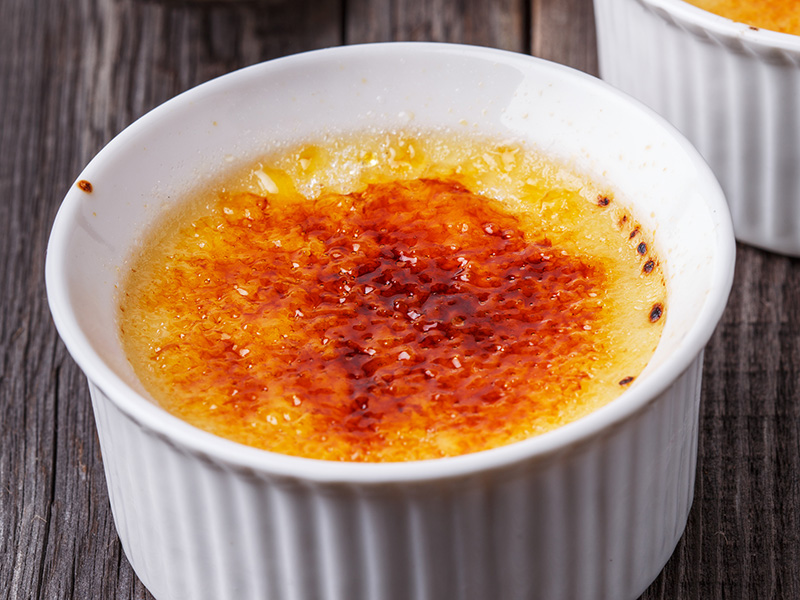
Classic desserts such as Creme Brulee along with Whipped Cream and more. See all Low Sodium Dessert Recipes
The Dr. Gourmet Low Sodium Diet
Following a Low Sodium Diet Can Be Delicious!
The Dr. Gourmet website has extensive information on following a low sodium diet along with hundreds of low-sodium recipes. The Low Sodium Diet: Guide and Cookbook collects that guidance as well as a selection of popular low-sodium recipes in a convenient guide. Reducing your salt intake doesn't have to mean bland, boring food.
This guide, written by physician and chef Timothy S. Harlan, MD, includes:
• Reliable information based on sound science about the effects of salt on your heart and health
• 80+ delicious low sodium recipes
• Ingredient and cooking tips throughout the book
• Complete Nutrition Facts for each recipe
Now Available! Paperback: $19.95 + s/h | PDF: $14.95