
Acorn Squash
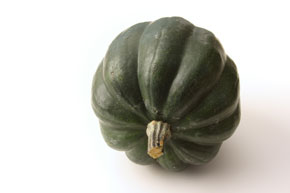
1 cup acorn squash:
56 calories, <1g fat, 2g fiber, 0 Vitamin K
Butternut Squash
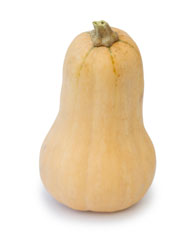
1 cup butternut squash:
63 calories, <1g fat, 3g fiber, 1.5mcg Vitamin K
Spaghetti Squash
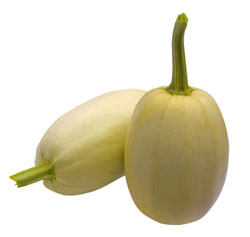
1 cup spaghetti squash:
31 calories, <1g fat, 2g fiber, 1mcg Vitamin K
Yellow, Summer, or Crookneck Squash
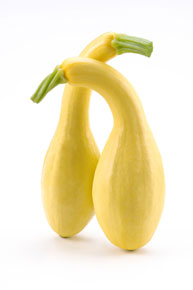
1 cup summer squash:
24 calories, <1g fat, 1g fiber, 4mcg Vitamin K
Pattypan Squash
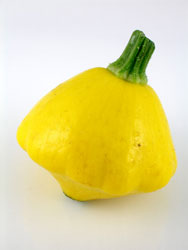
1 cup pattypan or scallop squash:
23 calories, <1g fat, 2g fiber, 4mcg Vitamin K
Ingredient Information
Squash
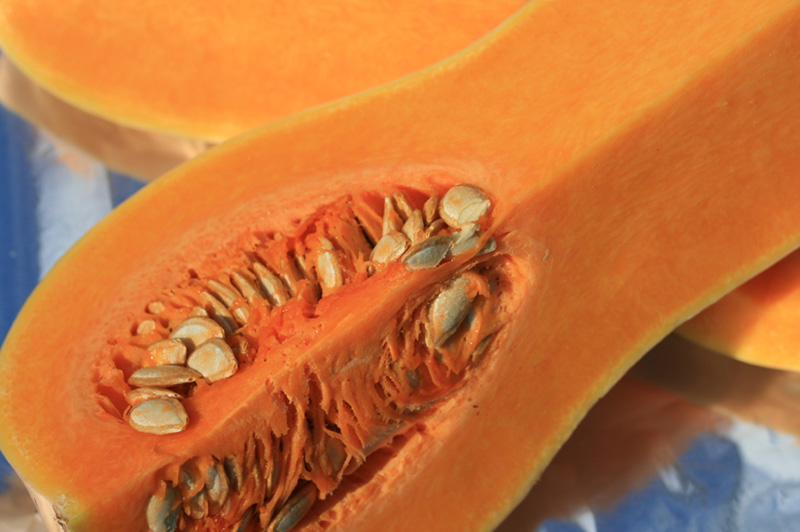
There are so many different kinds of squash that it's almost like having to take a high school biology test. (Interestingly, they are biologically fruits and not vegetables.) I know them all because growing up I was one of those weird kids that actually liked squash.
One of my favorites is the acorn squash. I love it roasted simply with a bit of butter and maple syrup. This Roasted Acorn Squash recipe is a variation of one that I had growing up – my dad loved acorn squash cooked this way. As acorn squash ages, the skin turns a mottled orange yellow color, so choose those that are more green than yellow. It should be firm with no dark or gray spots and tapping it should result in a sound that is hollow, not dull.
There are a lot of recipes on the Dr. Gourmet web site that use butternut squash (try Butternut Squash Risotto). It has a sweet, nutty flavor similar to pumpkin. It is also similar to acorn squash in texture but usually sweeter. Choose smooth skinned butternut squash with no dark spots or blemishes. Both acorn and butternut squash are high in fiber -- about 2 - 3 grams per cup of cubed squash.
Spaghetti squash is really fun. After cooking, the strands of the interior of the squash resemble spaghetti (hence the name). It makes great salads resembling pasta. Choose a hard firm squash. It should feel pretty heavy for its size. As with other squash, avoid squash with soft spots or dark spots. Spaghetti squash is a light green color before it ripens into an even light yellow color. A four pound spaghetti squash will yield about five cups of "spaghetti."
You do have to be a little careful cooking spaghetti squash. The skin is tougher and it's a good idea to pierce it before putting it in the oven so that it doesn't rupture. Let the squash cool a bit before cutting it in half. Scoop out the seeds and then the strands of squash.
Yellow squash, what I called summer or crookneck squash growing up, is so sweet and succulent. Look for medium sized squash no more than about eight inches long. Larger ones are tougher and dry. The skin should smooth and be unblemished. I love making Spring Bisque soup with it, and the Roasted Parmesan Squash, but my favorite is simply sliced into rounds and steamed.
I love zucchini too. The rules for choosing zukes are the same as with other squash. It's best to look for small to medium size but they should feel heavy in the hand. Large zucchini will be dry and have a woody texture. Blemished skin is a sign of age so choose those with smooth, bright green skins that feel firm to the touch.
There are dozens of other types, but I especially love pattypan and scallop squash. You may have seen these in the market. The yellow ones look like small flattened summer squash and the green ones like little zucchinis. They are great steamed whole and served as a side dish. Because they are small, they are sweet and tender. Just a bit of herbed butter and you're good to go.
Recipes using squash
Herbed Zucchini
Parmesan Squash
Parmesan Zucchini
Roasted Acorn Squash
Roasted Butternut Squash
Roasted Delicata Squash with Sage
Blue Cheese Acorn Squash
Roasted Butternut Squash with Green Onions
Curried Roasted Squash
Spicy Acorn Squash
Yellow Squash and Onions
Yellow Squash with Red Peppers
Warm Zucchini, Basil and Tomato Salad
Zucchini Salad
Zucchini with Sun Dried Tomatoes | Low Sodium Version
Acorn Squash Lasagna
Acorn Squash Pasta Bake
Butternut Squash Risotto | Coumadin Safe Version
Creamy Butternut Squash Mac and Cheese
Crustless Zucchini Quiche
Mona's Sauteed Veggie Plate
Pumpkin Curry
Pumpkin Fettuccine Alfredo
Roasted Southwestern Acorn Squash | Low Sodium Version
Roasted Squash Tacos
Spaghetti with Zucchini and Tomatoes
Squash and Corn Tacos
Zucchini Balls
Zucchini Chèvre Risotto