
It's easy to get answers about health and nutrition! Just send your question by email to [email protected] and Dr. Harlan will respond to selected questions of general interest. Answers will be posted in the Ask Dr. Gourmet newsletter (sign up now!) and archived in the Ask Dr. Gourmet section of the website.
Please note that the Ask Dr. Gourmet feature is restricted to questions regarding food and nutrition. Due to the many questions we receive, not all questions may be answered. For more specific questions about your individual health, please contact your doctor. About Timothy S. Harlan, MD, FACP, CCMS | Terms of Use | Privacy Policy
Ask Dr. Gourmet
What is a low smoke point vs. a high smoke point, for cooking oils?
You mention on your website that that you should use lower temps to cook with olive oil and grapeseed oil for higher temps. Where do you draw the line for temperatures?
Dr. Gourmet Says...
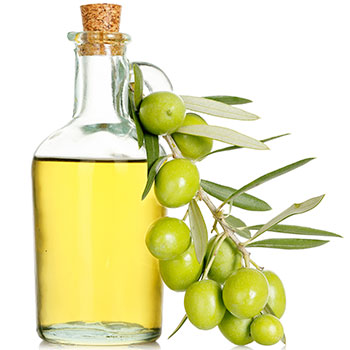
"Smoke point" is the point at which, when heated, an oil will begin to smoke. One of the main factors is how many impurities there are in a particular oil. While the oil itself will eventually burn, it is often the impurities that will burn before the oil.
Below is a list of different smoke points that I have collected over the years from a variety of sources. Hope this helps.
225° F
Canola Oil, Unrefined
Flaxseed Oil, Unrefined
Safflower Oil, Unrefined
Sunflower Oil, Unrefined
320° F
Corn Oil, Unrefined
Olive Oil, Unrefined
Peanut Oil, Unrefined
Safflower Oil, Semi-Refined
Soy Oil, Unrefined
Sunflower Oil, Unrefined
Walnut Oil, Unrefined
325° F
Vegetable Shortening, Emulsified
350° F
Butter
Canola Oil, Semi-Refined
Coconut Oil
Sesame Oil, Unrefined
Soy Oil, Semi-Refined
370° F
Vegetable Shortening
360° F
Lard
389° F
Macadamia Nut Oil
400° F
Canola Oil, Refined
Walnut Oil, Semi-Refined
405° F
Olive Oil, Extra Virgin
410° F
Corn Oil
Sesame Oil
420° F
Cottonseed Oil
Grapeseed Oil
Olive Oil, Virgin
430° F
Almond Oil
Hazelnut Oil
435° F
Canola Oil
Olive Oil
440° F
Peanut Oil
Sunflower Oil
450° F
Corn Oil, Refined
Peanut Oil, Refined
Safflower Oil, Refined
Sesame Oil, Semi-Refined
Soy Oil, Refined
Sunflower Oil, Refined
460° F
Olive (Pomace Oil)
465° F
Olive Oil, Extra Light
485° F
Grapeseed Oil
495° F
Soy Bean Oil
510° F
Safflower Oil
520° F
Avocado Oil, Refined
Thanks for writing,
Timothy S. Harlan, MD, FACP, CCMS
Dr. Gourmet